Every football kit, compression shirt, or branded hoodie you see online starts at a factory floor somewhere, and for a growing number of global sportswear brands, that floor is in Bangladesh. A Sportswear Manufacturer in Bangladesh handles the fabric sourcing, cutting, sewing, and printing that turns your design file into something a customer actually wears.
Pick the wrong factory and you find out the hard way, through rejected samples, blown deadlines, or a print that fades after two washes.
This guide covers what you will learn:
- What a sportswear manufacturer actually does
- Which manufacturing services and order types you can choose from
- OEM vs ODM vs private label, and which fits your brand
- Realistic pricing and minimum order quantities (MOQ)
- A 7-point checklist and red flags to avoid
- How Vero Style works with brands, step by step
What Does a Sportswear Manufacturer in Bangladesh Do?
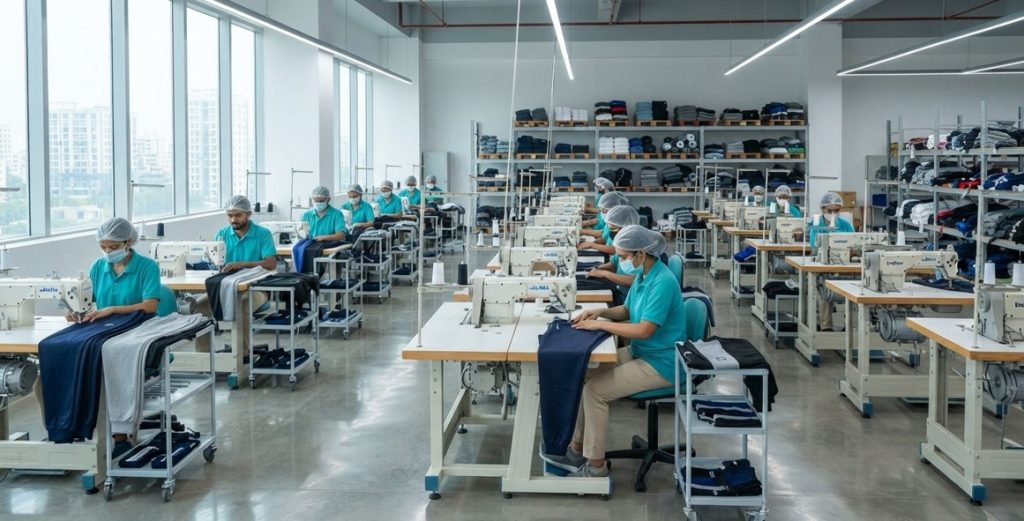
Ask someone outside the industry what a garment factory does, and they’ll probably say “sewing clothes.” That’s only one stage. By the time a jersey reaches your warehouse, it has gone through six or seven distinct steps, and most buyers never see any of them.
Here’s what actually happens on the factory floor:
- A design or tech pack gets turned into a physical sample first, something you can hold and approve before a single bulk unit is cut.
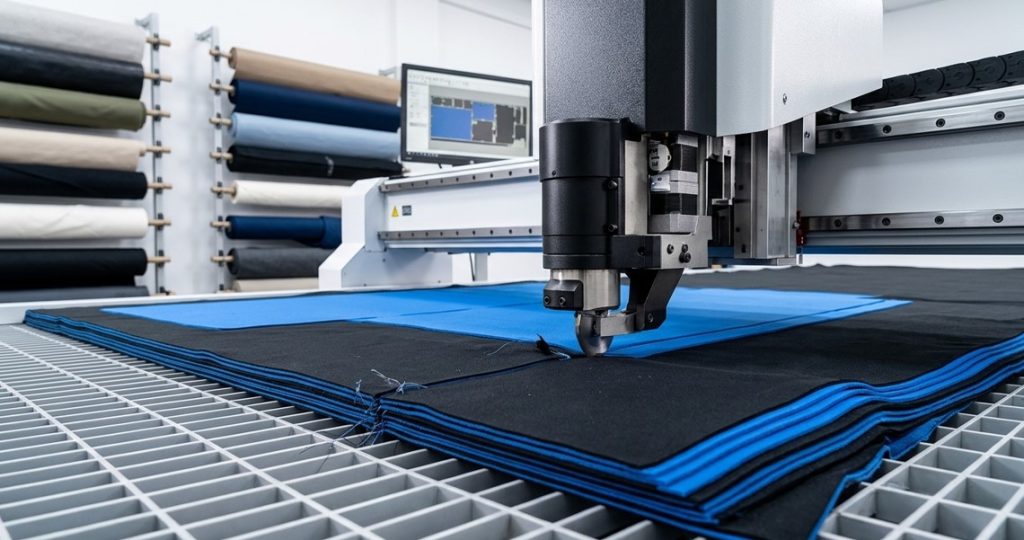
- Fabric sourcing comes next, picking the right polyester mesh, spandex blend, or moisture-wicking knit for what the garment needs to do.
- Cutting and sewing happen at scale, and keeping sizes consistent across a thousand pieces is harder than it sounds.
- Branding gets applied through sublimation printing, embroidery, heat transfer, or woven labels, depending on what the design calls for.
- Every piece gets checked for stitching, measurements, and fabric defects before anything goes into a box.
- Finally, the order gets packed, labeled, and shipped out, with export paperwork handled along the way.
Bangladesh ships more ready-made garments than almost anywhere else in the world, trailing only China. The country’s Export Promotion Bureau has reported annual garment exports well above $40 billion in recent years, a scale that gives sportswear brands access to factories with real production capacity, not just small workshops stretched thin.
Why Choose a Sportswear Manufacturer in Bangladesh Over Other Countries?
Buyers often compare Bangladesh against Vietnam, Pakistan, and China before placing an order. Bangladesh holds its own for a few clear reasons.
| Factor | Why It Matters |
| Lower labor cost | Competitive pricing without sacrificing production scale |
| Large skilled workforce | Decades of experience in knit and woven garment production |
| Established supply chain | Local access to fabric mills, trims, and printing facilities |
| Compliance certifications | Many factories hold BSCI, WRAP, or OEKO-TEX certification |
| Export experience | Long-standing trade relationships with US and EU retailers |
A capable Sportswear Manufacturer in Bangladesh combines this infrastructure with specialized know-how in stretch fabrics and athletic cuts, which a general garment factory may not handle well.
Sportswear Manufacturing Services You Can Order
Here’s a mistake a lot of first-time buyers make: they call a factory, hear about bulk wholesale pricing, and order 1,000 pieces before testing whether the design even sells. A 150-piece launch and a 5,000-unit retail order need completely different setups.
| Service | Best For | Typical MOQ |
| Private label (stock designs, your branding) | New brands testing the market | 100–300 pieces |
| OEM (manufacturer builds from your design) | Established brands with tech packs ready | 300–500 pieces |
| ODM (manufacturer designs and builds) | Brands without in-house design teams | 300–500 pieces |
| Full custom sportswear (team kits, sublimation) | Sports clubs, academies, leagues | 50–150 pieces per style |
| Bulk wholesale production | Retail chains and distributors | 1,000+ pieces |
Quick answer: If you are launching your first collection, start with private label. If you already have designs ready, OEM keeps costs lower. If you need help with design too, ODM is the better fit.
OEM vs ODM vs Private Label: Which Should You Choose?
These three terms get thrown around a lot in manufacturing conversations, and mixing them up can cost you time and money.
- OEM (Original Equipment Manufacturer): you bring the design and specs, the factory builds exactly what’s on paper. Works well when your tech pack is already ready.
- ODM (Original Design Manufacturer): the factory’s own design team creates the product for you. Saves you from hiring designers in-house, though you give up some control over the final look.
- Private label: you pick from templates the factory already makes, add your logo and labels, and you’re in business faster than either of the other two routes.
Ask any Sportswear Manufacturer in Bangladesh which model fits your order size and timeline before you commit. A factory that steers you toward whichever option is easiest for them, rather than what actually suits your brand, is worth being cautious about.
How Much Does Sportswear Manufacturing Cost in Bangladesh?
Pricing depends on fabric choice, order quantity, printing method, and garment complexity. The figures below are general estimates; always request a factory quotation based on your tech pack.
| Product Type | Estimated Cost (USD/piece, FOB) | What Affects the Price |
| Basic polyester t-shirt | $2.50 – $4.50 | Fabric weight, print complexity |
| Performance compression shirt | $4.00 – $7.00 | Fabric stretch, moisture-wicking finish |
| Football/team jersey (sublimation) | $5.00 – $9.00 | Design complexity, number of colors |
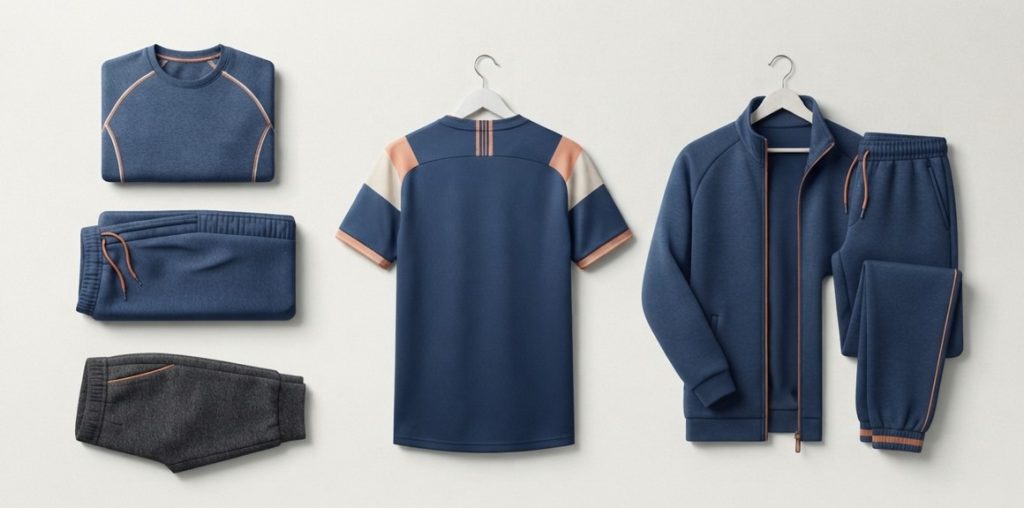
| Tracksuit set (top + bottom) | $8.00 – $14.00 | Fabric type, zippers, panel stitching |
| Custom hoodie or outerwear | $10.00 – $18.00 | Fleece weight, embroidery, lining |
Do not compare quotes on price alone. Ask every manufacturer: What is the MOQ per style and per color? Is sampling included or charged separately? What is the lead time from sample approval to shipment?
How Vero Style Works With Sportswear Brands, Step by Step
A clear process protects both sides of the order. This is how Vero Style, a Sportswear Manufacturer in Bangladesh, runs a typical project.
Step 1: Consultation. Everything starts with a conversation, not a contract. We talk through your target product, quantity, budget, and timeline, then figure out together whether OEM, ODM, or private label actually fits what you’re trying to build.
Step 2: Sampling. Your tech pack or reference design turns into a physical sample before bulk cutting ever begins. You hold it, check the fit and fabric, and approve it, or send it back with changes.
Step 3: Fabric and trim sourcing. Once that sample gets the green light, we lock in the fabric, thread, zippers, and labels for the entire production run, so nothing shifts midway through.
Step 4: Bulk production. This is where the factory floor takes over: cutting, sewing, printing, and finishing, with quality checks built into each stage rather than left for the very end.
Step 5: QC and shipment. Before anything leaves the building, a final inspection goes through stitching, sizing, and print accuracy. Then it’s packed and shipped to wherever you need it.
Vero Style runs this same process for a 100-piece private label order and a 5,000-piece wholesale contract alike, the scale changes, the steps don’t.
7 Things to Check Before Hiring a Sportswear Manufacturer in Bangladesh
Before you place your first order, run the factory through these seven checks. Skipping any one of them is usually how buyers end up with problems they didn’t see coming.
- Sample quality. Don’t settle for photos over WhatsApp. Ask for a physical sample you can hold, stretch, and inspect before bulk cutting ever starts.
- Certifications. If your retail partners care about compliance, ask for actual BSCI, WRAP, or OEKO-TEX documentation, not just a logo on their website.
- MOQ flexibility. Find out whether the minimum applies per style, per color, or across your whole order. These three answers lead to very different quotes.
- Fabric sourcing transparency. Ask exactly where the fabric comes from and whether it matches your tech pack’s specifications, down to the weight and stretch.
- Lead time clarity. Get the timeline from sample approval to shipment in writing, with some buffer built in for the delays that almost always happen.
- Communication speed. Pay attention to how fast they reply before you’ve paid anything. That pace rarely improves once the deposit is in.
- Export documentation support. Confirm they handle commercial invoices, packing lists, and shipping paperwork correctly, so nothing gets stuck at customs.
Bangladesh exports a significant share of the world’s apparel, well over 7% according to World Trade Organization trade data, which means there’s no shortage of factories competing for your order. That’s exactly why settling for the first quote, without working through this list, rarely ends well.
Red Flags to Avoid
A production agreement usually goes wrong for reasons that were visible from the start, if you knew what to look for.
- They skip the sample stage entirely and push straight toward bulk production.
- Their MOQ answer changes depending on who you ask or when you ask it.
- There’s no written contract covering price, timeline, and quality standards.
- A certification gets mentioned but no certificate number or verification exists behind it.
- They pressure you to pay the full amount upfront instead of a standard deposit structure.
- Nothing gets said about what happens if defects turn up after the shipment arrives.
One rule worth remembering above the rest: if a Sportswear Manufacturer in Bangladesh won’t provide a pre-shipment inspection report, treat that refusal as a serious warning sign on its own.
Which Fabrics Work Best for Sportswear?
Ask a buyer what went wrong with their first order, and the answer is often fabric, not design. The wrong material ruins a good cut faster than anything else.
| Fabric | Best For | Notes |
| Polyester mesh | T-shirts, jerseys | Breathable, lightweight, dries fast |
| Spandex/elastane blend | Compression wear, leggings | Stretch and muscle support |
| Dri-fit polyester | Training wear, running gear | Moisture-wicking, quick dry |
| Fleece/French terry | Hoodies, tracksuits | Warmth for cooler climates |
A knowledgeable Sportswear Manufacturer in Bangladesh picks fabric based on where the garment will actually be worn and what sport it’s built for. Whatever happens to be cheapest to source that particular month shouldn’t be the deciding factor.
Why Choose Vero Style
Vero Style works as a Sportswear Manufacturer in Bangladesh, producing activewear, team kits, and performance apparel for brands at very different stages, some placing their first order, others scaling into thousands of units.
Here’s what that looks like once you’re actually working with us:
- Nothing moves to bulk production until you’ve approved a physical sample first.
- MOQ structure gets explained upfront, before you’ve committed to anything.
- Fabric gets matched to your garment’s intended use and climate, not picked at random.
- Sublimation, embroidery, and heat transfer printing all happen in-house.
- Every shipment goes through quality control inspection before it leaves.
- Export documentation gets handled for US, EU, and other international destinations.
Frequently Asked Questions
What is the minimum order quantity for a sportswear manufacturer in Bangladesh?
It changes based on what you’re ordering. Private label starts around 100 pieces, using existing templates. Full custom production usually needs 500+, since a brand-new design costs the factory nearly the same to set up whether you order 50 units or 500.
How long does sportswear production take?
Sampling takes about 1 to 2 weeks. Once that sample gets approved, bulk production runs another 4 to 8 weeks depending on how large the order is.
Can a Bangladeshi factory handle sublimation printing for team jerseys?
Most established sportswear factories can, and it’s actually one of the more cost-effective printing methods since unlimited colors don’t add extra per-color charges.
Do I need to provide my own fabric?
Not usually. Manufacturers typically source fabric based on whatever specifications you give them, though brands that already work with a fabric supplier sometimes bring their own.
What certifications should I check before ordering?
BSCI and WRAP matter if your retail partners care about ethical labor practices. OEKO-TEX is different, it checks the fabric itself for harmful substances. Buyers selling into the US or EU often get asked for at least one of these.
Is Bangladesh a good choice for small sportswear brands with low MOQs?
For private label, yes. Plenty of factories here work with smaller quantities. Full custom production is a different conversation, since building a brand-new design from scratch rarely makes sense below a few hundred pieces.
Conclusion
The factory you choose doesn’t just affect one order, it shapes your product quality, your delivery timelines, and eventually how customers see your brand. A verified certification and a transparent MOQ matter more here than a slightly lower quote.
Pull samples from two or three factories before deciding anything. Lay their fabric and finishing side by side, and don’t place a bulk order until every term is in writing. Contact Vero Style, an experienced sportswear manufacturer in Bangladesh, for a free consultation and production quotation.