
Sweater and cardigan manufacturing in Bangladesh covers everything from choosing yarn and gauge to knitting, linking, washing, finishing and shipping a ready garment to your warehouse. The country already supplies large volumes of knitwear to Europe, so the machines, skills and supply chain are in place. What buyers need is a clear process and a partner they can trust.
This guide explains how the work actually happens, which yarns and gauges suit which product, what quality and EU rules to check, and how long an order usually takes. You’ll also see how vero-style helps brands run the whole project without surprises.
What you’ll get from this guide:
- Current export numbers from UNB, the Financial Express and Textile Focus
- A plain explanation of yarn, gauge and knitting methods
- Four tables covering market data, yarn, quality checks and timelines
- A factory checklist for your first video call
- Direct answers to the questions buyers ask most
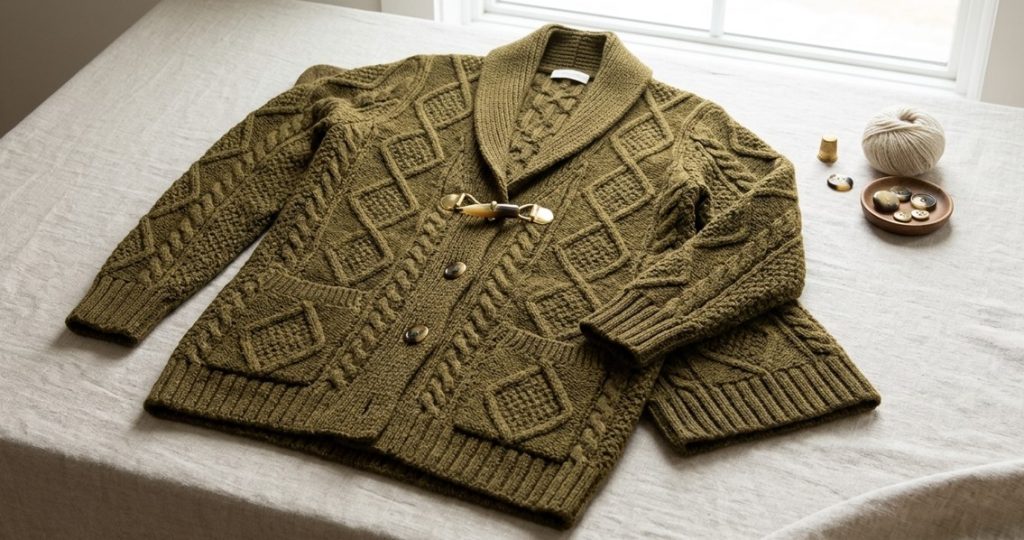
Sweater and cardigan manufacturing in Bangladesh, knitters finishing wool blend cardigans on a modern factory floor
Why Buyers Choose Sweater and Cardigan Manufacturing in Bangladesh
Bangladesh is one of the world’s major knitwear suppliers, and sweaters are a long-standing part of that story. Factories here have decades of experience with flat knitting, jacquard patterns, linking and finishing. Skilled labour and an established yarn and trim supply make life easier for brands that need both volume and variety.
Europe is the biggest market. Textile Focus reports that the EU accounts for nearly 60% of Bangladesh’s knitwear exports, and that Bangladesh overtook China as the leading knitwear exporter to the EU in 2023. According to EPB figures reported by UNB, total garment exports reached $38.70 billion in FY2025-26, and the EU took about 49% of that.
The picture isn’t all positive. The Financial Express reported that Bangladesh’s garment exports to the EU fell 19.4% year on year in January to April 2026, as weaker European spending hit all suppliers. For buyers, softer demand can mean factories sharpen their offers and pay closer attention to new customers.
| Indicator | Figure | Source |
| Total RMG exports, FY2025-26 | $38.70 billion | EPB via UNB |
| EU share of RMG exports, FY2025-26 | About 49% | EPB via UNB |
| EU share of Bangladesh knitwear exports | Nearly 60% | Textile Focus |
| RMG exports to the EU, Jan-Apr 2026 | Down 19.4% | Financial Express |
| Bangladesh share of EU apparel imports, Jan-Apr 2026 | 21.9% (from 24.4%) | Financial Express |
Trade Rules to Watch: LDC Graduation and Tariffs
Bangladesh was due to leave the Least Developed Country group in November 2026. The government asked for a three-year delay, and the UN’s economic council backed it in July 2026. At the time of writing the General Assembly decision was still pending, so check the latest news before signing long contracts.
Why does this matter for sweater and cardigan manufacturing in Bangladesh? Textile Focus notes that without GSP+ or a new trade deal, Bangladeshi garments could face EU tariffs of nearly 12% in future. BGMEA president Mahmud Hasan Khan has pointed to uncertainty over LDC graduation, along with US tariffs and rising costs, as pressure points for the industry.
Don’t treat this as a reason to avoid Bangladesh. Treat it as a reason to plan. Ask your supplier how they would handle a duty change, and add a price review clause to contracts running past 2029.
How Sweater and Cardigan Manufacturing in Bangladesh Actually Works
Knowing the steps helps you ask better questions and spot delays early. Here’s the usual flow, from yarn to carton.
Yarn and gauge come first
Yarn choice sets the feel, price and wash behaviour of the garment. Gauge, which describes how many needles are used per inch, sets how chunky or fine the knit looks. A low gauge gives a thick winter sweater. A high gauge gives a fine, lightweight cardigan.
| Yarn Type | Feel and Performance | Best For |
| Cotton | Soft, breathable, can shrink if not treated | Spring sweaters, casual cardigans |
| Acrylic | Light, affordable, holds colour well | Value ranges, kids’ knitwear |
| Wool blends | Warm, good shape retention | Autumn and winter cardigans |
| Viscose blends | Smooth drape, slightly delicate | Fine-gauge fashion pieces |
| Recycled blends | Lower environmental impact claims, needs proof | Sustainability-led ranges |
Knitting methods differ
Most sweaters are made on flat knitting machines. Apparel Resources reports that factories have been moving from hand-operated flat machines to computerized jacquard machines, which allow more complex patterns without the limits of repeats or symmetry. If your design uses intarsia, jacquard or detailed stitches, ask which machines the factory runs.
After knitting, the real work begins
Knitted panels are linked or sewn together, then washed, dried, pressed and checked. Washing sets the handfeel, so test it on your own yarn rather than a sample from another buyer. Final steps include trims, labels, folding and packing.
Video suggestion: Embed a short factory clip here, showing flat knitting machines, linking and final pressing. A 2 to 3 minute video from the vero-style channel works well.
What Quality and Compliance Checks Matter
Quality problems in knitwear are usually visible only after washing. A sweater can look perfect on the table and then shrink, twist or pill in the first wash. That’s why testing matters before bulk production, not after.
EU rules also apply to adult knitwear. ComplianceGate’s EU guide explains that the Textile Labelling Regulation requires fibre composition on the label, and that REACH restricts chemicals such as azo dyes and heavy metals in clothing. Certificates like OEKO-TEX Standard 100 are widely used as evidence that fabrics and trims are free of harmful substances.
| Check | What It Tests | Why It Matters |
| Shrinkage and twist | Size change after washing | Prevents returns and complaints |
| Pilling | Surface fuzz after rubbing | Protects the look of the garment |
| Colour fastness | Dye loss to water and rubbing | Avoids stained garments |
| Fibre composition | Actual content vs. label | Needed for EU labelling |
| Chemical tests | Restricted substances under REACH | Keeps the product legal to sell |
How to Choose a Partner for Sweater and Cardigan Manufacturing in Bangladesh
A common story goes like this. A brand picks the cheapest quote, approves a sample in a hurry, and then the bulk order arrives with sleeves that twist after washing. The few cents saved per piece disappear in returns and delays.
You can avoid this by testing the factory before you commit. Ask for one past client with a similar product, and ask what went wrong on their last order. How they answer tells you more than a brochure.
Use this checklist on your first video call:
- Do they already knit sweaters or cardigans for European buyers?
- Which machines and gauges do they run in-house?
- Can they show current OEKO-TEX, BSCI/amfori or similar certificates?
- Who does yarn sourcing, and what testing do they do before bulk?
- How many rounds of sampling do they expect?
- What is the minimum order per style and per colour?
Also ask who your single point of contact will be. Knitwear projects involve many small decisions, and slow replies cost weeks.
What Goes Into a Good Tech Pack
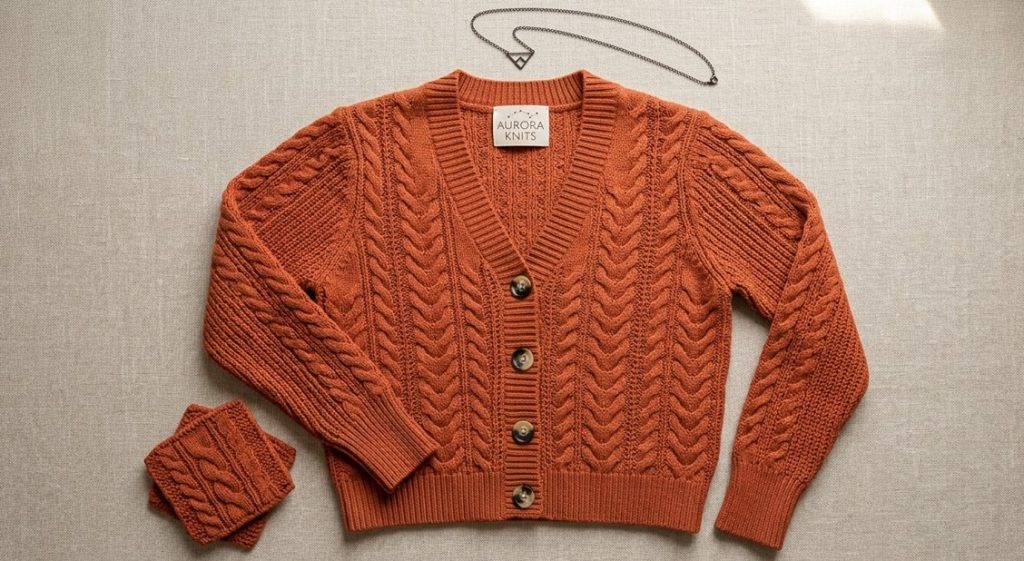
A complete tech pack saves more time than anything else in the process. Factories can only match what you describe, so vague briefs lead to vague samples. Include these items:
- Garment sketch with front, back and detail views
- Measurement chart for every size, with tolerances
- Yarn type, count, colour references and fibre content
- Gauge, stitch type and any jacquard or intarsia artwork
- Trim, button and label details, plus wash care instructions
Expect two or three sampling rounds. That’s normal for knitwear. Send feedback in one clear message, not as a stream of small notes.
A Realistic Order Timeline
Timings vary by factory, season and yarn availability, so treat these as planning ranges and confirm them in writing.
| Step | What Happens | Typical Time |
| 1. Brief and tech pack | You share designs, gauge, yarn and targets | 1 to 2 weeks |
| 2. Factory shortlist | Compare quotes, machines and certificates | 1 to 2 weeks |
| 3. Yarn sourcing | Yarn ordered and dyed to your colours | 2 to 4 weeks |
| 4. Sampling | Development, fit and pre-production samples | 3 to 6 weeks |
| 5. Bulk production | Knitting, linking, washing, finishing | 6 to 10 weeks |
| 6. Inspection and shipping | Final audit, then sea or air freight | 3 to 6 weeks |
Knitwear is seasonal, so work backwards from your delivery date. Autumn ranges often need to be confirmed in early spring.
What Drives the Price
Pricing for sweater and cardigan manufacturing in Bangladesh depends mostly on yarn, which is usually the biggest cost. After yarn, the main drivers are:
- Yarn type, since wool blends cost more than acrylic or cotton
- Gauge and stitch complexity, because finer or patterned knits take longer
- Garment weight, which sets how much yarn you use
- Washes, trims and special packaging
Order size matters too. Factories prefer steady volume, so very small runs per style may cost more per piece or need a higher minimum. Be honest about your volume early, because a good factory will tell you if it can serve you.
Always compare landed cost, not just ex-factory price. Freight, testing and duty are easy to forget, and they change the real figure.
How vero-style Supports Brands
vero-style works as a sourcing partner for sweater and cardigan manufacturing in Bangladesh, from the first brief through to delivery. The team starts by learning your brand, price points and customers, then matches you with factories that already make comparable knitwear.
From there, vero-style helps with yarn and gauge decisions, sampling feedback, testing coordination, production follow-up and pre-shipment checks. The goal is simple: fewer surprises, and one clear contact when something needs a decision.
For a first collection, this support is especially useful. You get access to the factory’s capacity without setting up your own sourcing office in Dhaka.
Common Mistakes to Avoid
Most problems in sweater and cardigan manufacturing in Bangladesh repeat from brand to brand. Watch for these:
- Choosing a factory on price alone
- Approving bulk before a washed pre-production sample is signed off
- Changing yarn after sampling without re-testing
- Leaving out tolerances in the measurement chart
- Ignoring duty and freight in the landed cost
The fix is discipline. Test early, approve in writing, and keep every decision on record.
Frequently Asked Questions
What is sweater and cardigan manufacturing in Bangladesh? It’s the process of producing knitted tops in Bangladeshi factories, covering yarn sourcing, knitting, linking, washing, finishing, testing and shipping for brands in Europe and other markets.
Which yarns work best for cardigans? It depends on the season and price. Cotton suits spring, wool blends suit autumn and winter, and acrylic blends work for value ranges. Always test shrinkage and pilling on your chosen yarn.
What is the minimum order quantity? It varies by factory and yarn. Some accept smaller runs per style, while others need higher volumes. Ask for the minimum per style and per colour before you shortlist.
How long does a first order take? Most projects take roughly four to six months from brief to delivery, including yarn, sampling and testing. Repeat orders are usually faster.
Will LDC graduation change my prices? Possibly, but not immediately. Bangladesh has asked for a three-year delay, and the EU has indicated that preferences would continue for a transition period. Add a price review clause to long contracts.
Wrapping Up
Sweater and cardigan manufacturing in Bangladesh gives buyers real knitwear skill, scale and competitive pricing. Success comes down to three things: the right factory, careful testing before bulk, and a clear process from brief to shipment.
Use the tables and checklist above to shortlist your options, and keep an eye on the LDC graduation news. Brands that plan for duty changes now will be calmer when they arrive.
If you’d like help with your next knitwear range, talk to the vero-style team and share your designs, volumes and timeline. A short conversation usually shows quickly which route fits your brand best.