
Introduction
It is important for clothing brands that want to develop durable innerwear to select the best partner in production. Each phase of the production should be analyzed: from fabric selection to comfort, fit, durability, and uniformity. It doesn’t matter whether it is all about launching a new lingerie line, expanding an already existing business, or finding a company to manufacture private label underwear—you have to have a good partner in innerwear production.
The article reveals a number of issues you should take into account when it comes to choosing the best Inner Wear Manufacturer partner and the significance of paying attention to the quality of materials used. A number of custom options available for your clothing brand will be provided along with the ways of creating an effective supply chain system.
What Does an Inner Wear Manufacturer Do?
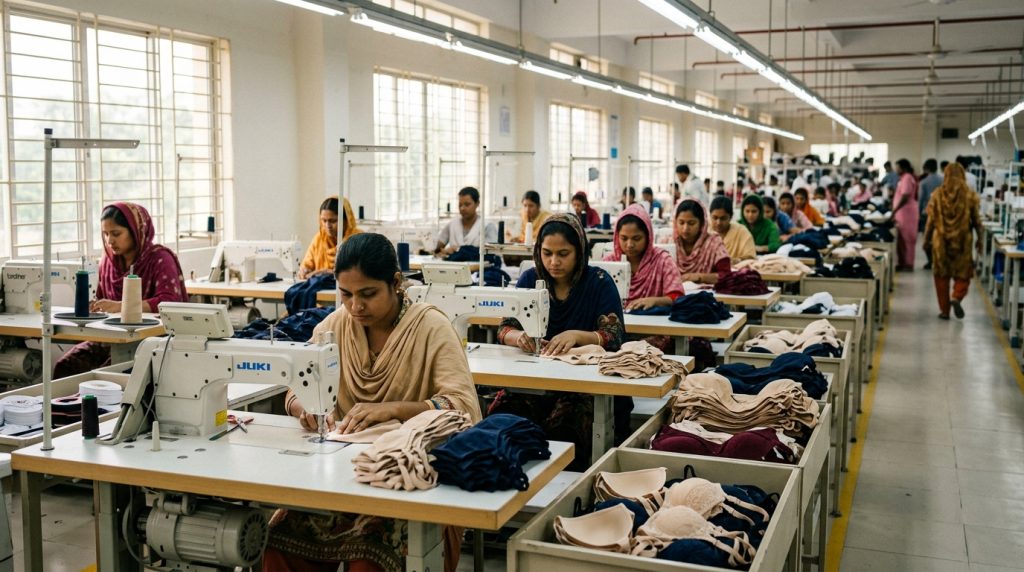
The inner wear manufacturer is engaged in manufacturing different kinds of garments related to inner wear which can vary from brands to private labels. The process includes starting from fabric acquisition to pattern making to fabric manipulations such as stitching to inspection and packing. Depending on the vendor response, the organization may also be given additional services regarding product development and branding.
Manufacturers make various types of undergarments that may include:
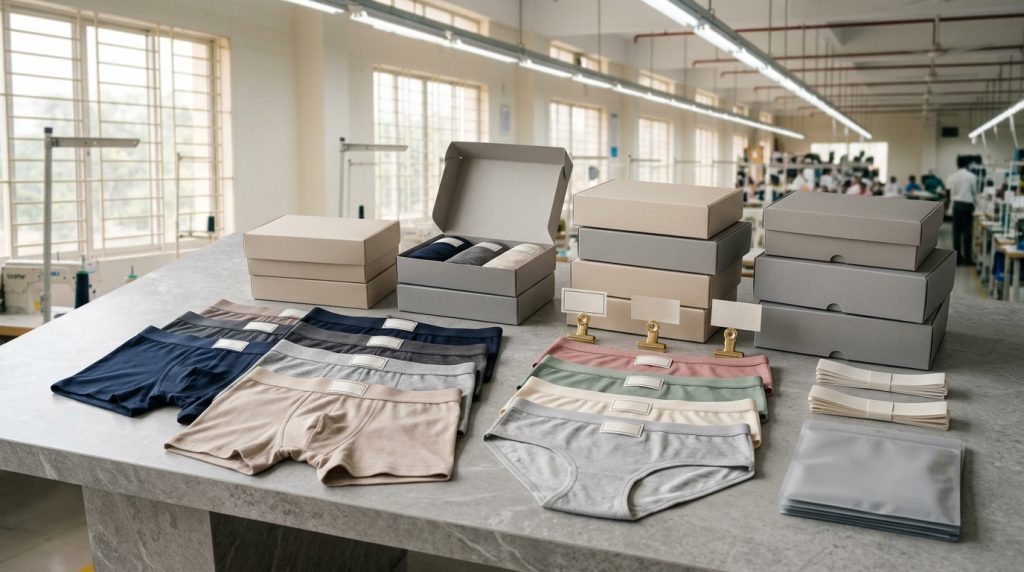
- Men’s underwear- Briefs, boxer shorts, and trunks
- Women’s underwear- Panties, bras, and lingerie,
- Daily lingerie and seamless inner garments,
- Thermal innerwear and base layers.
Knowing the manufacturer’s capabilities leads to companies’ determination as to whether it can fulfill their product specifications and order quantities.
Why Choosing the Right Manufacturing Partner Matters
Innerwear is the segment of the clothing market where the importance of comfort, fit, and durability cannot be disputed. Nevertheless, the most attractive products may not meet the customers’ expectations owing to skin irritation or a lack of elasticity of the fabrics, or problems with correct proportions.
Experienced Inner Wear Manufacturer can help brands ensure that the products that they offer meet the required standards and do not face production challenges or quality issues.
1. Quality and Comfort of the Product
The quality of the fabric plays an important role in determining how comfortable the underwear will be during everyday usage. The fabrics that are normally used in underwear production include cotton products of different composition, modal, microfiber, and blends of elastane with other fabrics.
The best type of fabrics depends on the purpose of the inner wear, and the requirements for breathability, elastane, softness, etc.
2. Accurate Fit and Size
The customers want the products to be available in different sizes and to be made from the same materials.
3. Capabilities of Production and Delivery
An appropriate supplier should provide information on its production capacity, minimum order quantity (MOQ), sampling timeline and anticipated delivery schedule.
Proper planning allows brands to organize their product launches, inventory replenishments and seasonal demands.
4. Customizing the brand
Private label manufacture enables companies to manufacture goods under its name. Depending on the supplier’s possibilities, it may include customization of fabrics and colors, sewing details, waistbands, labels, packaging and design of the product.
Key Factors to Evaluate Before Selecting an Inner Wear Manufacturer
Finding a inner Wear Manufacturer involves more than comparing quotations. Businesses should evaluate inner wear manufacturer manufacturing capabilities, communication, quality-control procedures, and commercial terms together.
Fabric Selection and Material Performance
Different fabrics serve different purposes. Cotton is commonly selected for everyday comfort, while microfiber blends may be suitable for lightweight designs. Elastane can improve stretch and recovery when used appropriately.
Brands should request fabric composition details and test samples for softness, shrinkage, colorfastness, seam strength, and elasticity.
For products marketed with textile-safety claims, ask whether relevant independent testing or certification is available. OEKO-TEX® STANDARD 100, for example, tests textile articles for harmful substances, including components such as threads and accessories. Certification should be verified for the specific product rather than assumed for an entire supplier’s range.
Minimum Order Quantity and Pricing
MOQ determines the smallest order a manufacturer will accept for a particular product or production run. It can influence how much capital a new brand needs to invest before validating customer demand.
Request a detailed quotation about inner Wear Manufacturer that separates relevant costs, such as:
- Product development and sampling
- Fabric, trims, and accessories
- Manufacturing and finishing
- Labels and customized packaging
- Inspection, shipping, and applicable duties
A lower unit price does not automatically represent better value. Defects, delayed delivery, inconsistent sizing, and excessive inventory can increase the total cost of sourcing.
Customization and Private-Label Services
If you plan to build a distinctive clothing brand, check whether the inner Wear Manufacturer can support your specifications from initial samples through bulk production.
Discuss ownership of designs, approval procedures, packaging requirements, and the process for handling revisions. Put important specifications and agreements in writing.
Quality Assurance and Compliance
A dependable inner Wear Manufacturer should have a documented process for checking materials, workmanship, measurements, and finished products.
Ask how defects are recorded, what inspection criteria are used, and how nonconforming items are handled. For Bangladesh-based sourcing, it is also important to consider applicable labor, workplace safety, and regulatory requirements.
The International Labour Organization provides resources on occupational safety and working conditions in the textile and garment sector. Its guidance is useful for businesses seeking to understand responsible sourcing expectations.
Comparison Table: What Should You Look for in a Manufacturer?
| Evaluation factor | What to check | Why it matters |
| Fabric quality | Composition, softness, stretch, durability | Supports comfort and product performance |
| Sample development | Prototype quality and revision process | Helps validate the design before bulk orders |
| MOQ and pricing | Minimum quantities and itemized costs | Supports budgeting and inventory planning |
| Production capacity | Lead times and available capacity | Helps maintain reliable supply |
| Quality control | Measurement checks and defect procedures | Reduces inconsistent products |
| Customization | Labels, packaging, colors, and designs | Builds a recognizable brand |
| Compliance | Relevant legal requirements and verified certifications | Supports responsible sourcing |
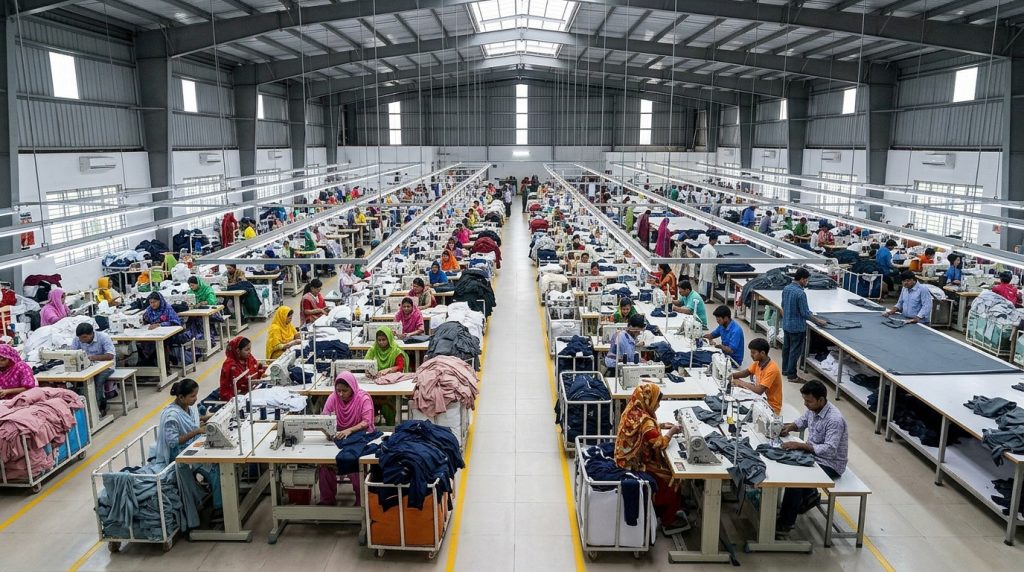
The Innerwear Manufacturing Process: From Concept to Finished Product
Understanding the production process helps businesses communicate their requirements and identify potential problems before manufacturing begins.
Step 1: Product planning
Define the target customer, product category, price range, size range, and intended use. Prepare reference images or a technical specification sheet if available.
Step 2: Material selection
Choose fabrics, elastic, thread, labels, and other components based on comfort, performance, design, and budget.
Step 3: Sampling and fit approval
Review prototypes for measurements, construction, comfort, and appearance. Request revisions before approving the final sample.
Step 4: Bulk production
Once specifications are approved, the factory proceeds with the agreed production order. Any material or design substitutions should be approved in advance.
Step 5: Quality inspection
Inspect finished goods against agreed standards. Checks may cover measurements, seams, elasticity, labeling, appearance, and packaging.
Step 6: Packaging and delivery
Confirm carton specifications, quantities, shipping arrangements, documentation, and delivery responsibilities before dispatch.
Current Trends in Innerwear Manufacturing
The inner Wear Manufacturer market continues to respond to consumer expectations around comfort, product functionality, personalization, and responsible production. Brands should validate demand in their specific markets before investing heavily in new designs.
Comfort-Focused Design
Soft-touch fabrics, flexible waistbands, smooth seams, and carefully developed size ranges can help improve the everyday wearing experience.
Seamless and Lightweight Products
Seamless construction and lightweight materials appeal to consumers looking for less visible lines under clothing. These products may require specialized machinery and manufacturing expertise.
Inclusive Sizing
Offering a broader range of sizes can help brands serve more customers. However, size availability should be supported by proper fit testing and consistent grading.
Responsible Material and Production Choices
Some brands are exploring recycled fibers, traceable materials, and textile-safety testing. These initiatives should be supported by verifiable supplier documentation and accurate product claims.
Why Bangladesh Matters in Garment Sourcing
Bangladesh has a large manufacturing workforce and a well-developed readymade garment industry. This makes the country relevant for businesses looking at sourcing of apparel including select innerwear categories.
Research by the International Labor Organization on the ready-made garment sector in Bangladesh highlights its economic importance and the ongoing need to improve safety and working conditions in the workplace.
But that does not mean a country’s manufacturing reputation alone makes a good individual supplier. Buyers need to look at the product expertise, equipment, quality systems, capacity and compliance documentation of the particular factory.
When you are evaluating an Inner wear manufacturer in Bangladesh, ask for evidence of relevant production experience and check
How Vero Style Can Fit Into Your Sourcing Journey
Vero Style can be positioned as a point of contact for businesses exploring innerwear products and manufacturing opportunities. Before entering a sourcing agreement, buyers should clarify the exact services available, the product categories offered, and the commercial terms.
For a productive initial discussion, prepare the following information:
- Your intended product category and target customer
- Preferred fabric composition, colors, and sizes
- Estimated order quantities and target price
- Private-label, branding, and packaging requirements
- Expected sampling and delivery timelines
Providing these details helps establish whether a potential manufacturing partner is aligned with your business needs.
Frequently Asked Questions
How do I choose the best Inner wear manufacturer?
Assess product knowledge, fabric quality, sample consistency, minimum order quantities, pricing, production capacity, quality-control procedures and communication. Ask for references or relevant documentation when appropriate to the inner Wear Manufacturer .
What is the typical minimum order quantity for innerwear?
MOQ depends on the manufacturer, type of product, availability of the fabric, customization and the way of production. Instead of assuming that one standard quantity applies to all orders, ask for the minimum quantity per style, and color and size assortment.
Can I launch my own private-label innerwear brand?
Yes. Private-label arrangements allow eligible businesses to sell products under their own brand names. Available services vary, so confirm whether the supplier supports custom designs, labels, packaging, and product development.
Which fabrics are suitable for innerwear?
Cotton, modal, microfiber, and stretch blends are common options. The best choice depends on the garment’s intended use, softness, breathability, elasticity, durability, and care requirements.
Why is quality control important when working with an Inner wear manufacturer?
Quality control helps reduce defects, sizing inconsistencies, returns, and customer complaints. It also establishes measurable standards that both the buyer and supplier can follow during production.
Conclusion: Finding the Right Manufacturing Partner
Choosing the right inner Wear Manufacturer partner is a smart investment toward the long-term success of your clothing brand. The combination of material selection, fit, production consistency, clear pricing and reliable quality assurance, all add up to a stronger product offering.
Carefully compare suppliers, approve samples, document your specifications and check relevant compliance claims before you make a bulk order. These steps can help you to mitigate sourcing risks and make a more reliable supply chain.
For businesses exploring innerwear product development, Vero Style can be a starting point for discussing product requirements and potential sourcing needs. A clear brief and a thorough supplier evaluation will help you make a more informed decision.
Ready to explore your innerwear requirements? Contact Vero Style to discuss your product ideas, customization needs, and potential manufacturing options.